
If you’ve never organised a conference before, the chances are you have no idea how much work is involved. It takes at least a year; more if it’s your first one. Good venues and good keynote speakers are usually booked up a year or more in advance, and both are crucial to the success of the event. I am already starting to think about the keynote speakers for the 2026 International Creative Research Methods Conference (ICRMC) which is still 19 months away.
Immediately after an annual conference has been held, there is a bunch of work to do: thanking keynote speakers and sponsors, preparing videos for sharing, signing a contract with the venue for the following year, and working on the call for proposals for the next conference. ICRMC is held in the second week of September and we aim to publicise the call for the following year at the start of October, with a deadline of early December. (Every year we get anguished messages, for weeks after the deadline, from people who have missed it – we had a couple just a week or so ago – so if you might be one of those people in future years, make a note now!)
While the call for proposals is out, the conference team are seeking sponsorship. Sponsorship is useful for a range of reasons: sometimes sponsors want to fund useful things like bursaries or the printing of the conference programme; institutional sponsors lend credibility; sponsors often provide merch for the goody bags. (We have had more difficulty than usual in finding sponsors this year, and so far we only have a very small amount of funding for bursaries. If you know of any individual or organisation that might be interested in sponsoring ICRMC25, please get in touch.)
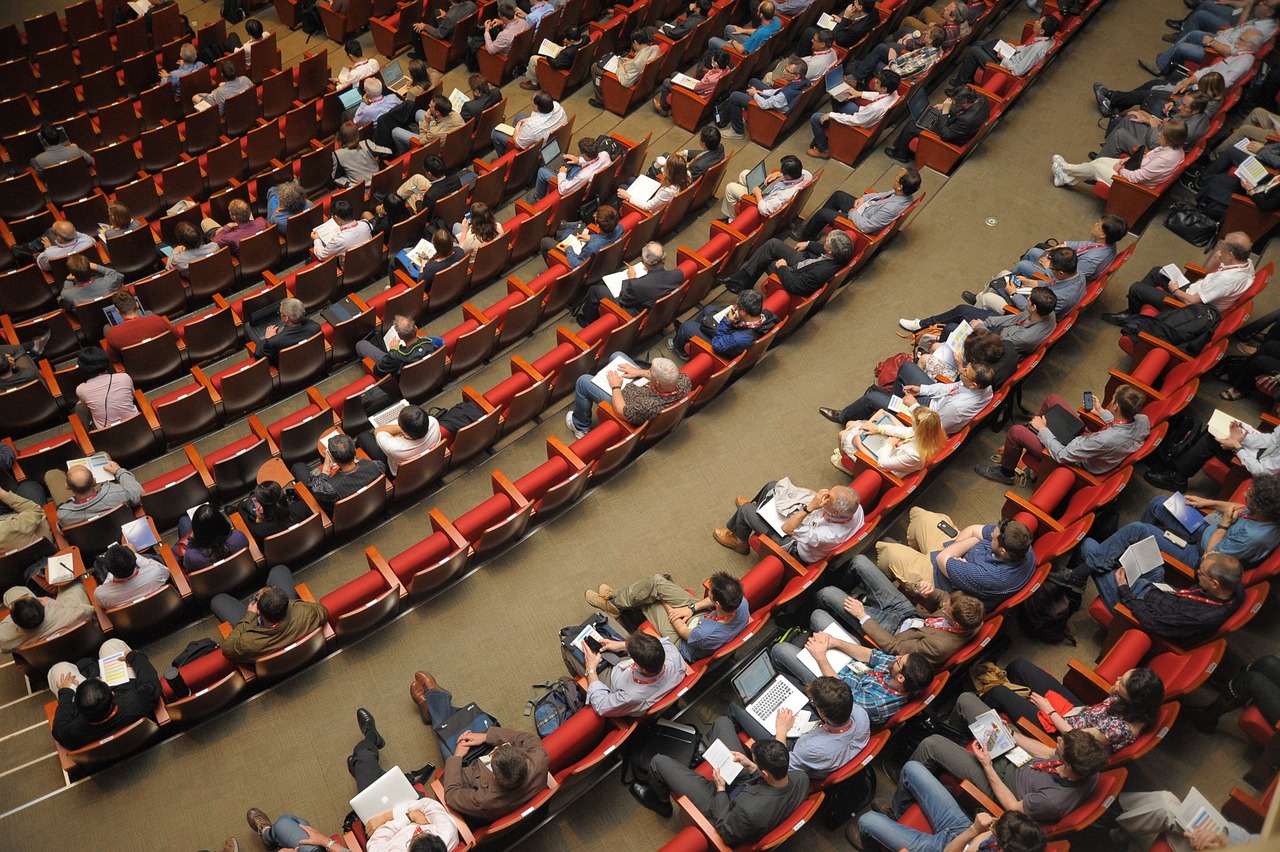
In early January a small group of us meet to assess the proposals we have received. Then the conference programme needs to be put together which is a particularly complicated job for this conference. That is because (a) we let people choose how long they want, in multiples of 15 minutes, from 15-90 minutes, and (b) it is a hybrid conference so we need to create a good conference-within-a-conference for people who are attending online. So the programme can take two or three weeks to finalise.
In early March tickets go on sale, so bookings, and applications for bursaries, start to come in. Queries do too: which band do I fall into for payment, can I bring my breastfeeding baby, is there an induction loop, etc etc etc.
Over the following six months there are plenty of jobs to keep us busy. We need to order new conference bags and make sure we have enough good quality merch to go in them; prepare the virtual ‘goody bag’ with links and discounts from sponsors and presenters; make decisions about the bursary applications and communicate those decisions to the applicants; liaise with the venue about people’s dietary requirements; and so on. And the queries keep coming.
Throughout this whole time, promo is happening on social media, in newsletters, and anywhere else we can advertise the conference. Then the weekend before the conference is very busy with printing programmes and name badge inserts, making up name badges, filling goody bags, and managing the inevitable last-minute crises such as a presenter having to drop out and needing to be replaced. (Or worse, a keynote speaker, though fortunately that hasn’t happened yet and I hope it never will.)
And then we’re off to Manchester, already exhausted but also excited and with enough adrenalin to see us through. We have two wonderful days with a delightful group of like-minded people from around the world, which makes it all worthwhile. Then the whole thing starts all over again!
 Helen Kara
Having helped with the World Computer Congress 1996 in Canberra, I feel your pain. 😉
LikeLiked by 1 person
Thanks Tom – solidarity is always welcome!
LikeLike