

For me, one of the greatest developments in research methods so far this century is the genesis and expansion of asset-based research.
Up to the end of the last century, research was almost entirely based on deficits. What we studied were problems, lacks, difficulties, deficiencies, gaps. This is understandable: people generally do research to try to improve matters, so starting with something that needs improvement makes sense. However, we were missing a big trick.
Around the turn of the century, psychologists Martin Seligman and Mikhail Csikszentmihalyi founded the positive psychology movement. Before then psychologists had exclusively studied topics such as memory loss, criminal and deviant behaviour, attachment disorders, psychopathology and the like. The positive psychology movement chose to study topics such as happiness, resilience, well-being and so on, to find out what we can learn from people who are flourishing and how we might be able to extend some of that to others.
Organisational researchers David Cooperrider and Suresh Srivastva were taking a similar approach. They developed the method of Appreciative Inquiry which begins by looking at what an organisation does well and is proud of, and then considers how it can improve in the light of its successes. And researchers from various disciplines around the world have been drawing on Amartya Sen’s capabilities approach to consider what Indigenous and other marginalised people can and do contribute to their communities.
Asset-based research is also beginning to be used in other fields, including Autism research. I am proud to have made a small contribution to this process myself, through a journal article Aimee Grant and I wrote which was published in Contemporary Social Science last month. The article is called Considering the Autistic advantage in qualitative research: the strengths of Autistic researchers. Much Autism-related research has been conducted by neurotypical people based on a view of Autistic people as deficient. By contrast, in our article, Aimee and I demonstrate that Autistic people like us have a lot to offer to qualitative research teams. We have also formulated some guidance, for teams with a mix of neurotypical and neurodiverse people, to facilitate effective inclusive working.
I am delighted to say the article is open access so you can all read it! I am also delighted that it has generated a lot of interest, with over 2,500 views in its first three weeks. And I feel proud to have been able to make this contribution within nine months of my own Autism diagnosis. Though I should acknowledge that I couldn’t have done it without Aimee, who was an excellent collaborator. Also, we had fantastic support from the journal editors and the anonymous reviewers. If you are looking for a home for an article on researcher experiences and research methods, or would like to propose a special issue, I would encourage you to consider Contemporary Social Science. It is the journal of the Academy of Social Sciences, of which I am a Fellow, but you don’t need any links to the Academy to submit work to the journal. They publish four issues a year, of which only one is open access at present, but that may change in time.
Anyway, if you find our article helpful or interesting – or disagree with the points we make, because all reasoned debate is useful – then please let us know, either here in the comments or over on Twitter.
This blog, the monthly #CRMethodsChat on Twitter, and the videos on my YouTube channel, are funded by my beloved Patrons. Patrons receive exclusive content and various rewards, depending on their level of support, such as access to my special private Patreon-only blog posts, bi-monthly Q&A sessions on Zoom, free e-book downloads and signed copies of my books. Patrons can also suggest topics for my blogs and videos. If you want to support me by becoming a Patron click here. Whilst ongoing support would be fantastic you can make a one-time donation instead, through the PayPal button on this blog, if that works better for you. If you are not able to support me financially, please consider reviewing any of my books you have read – even a single-line review on Amazon or Goodreads is a huge help – or sharing a link to my work on social media. Thank you!

 This post was requested by people in the Facebook group of the
  A friend asked me a while ago if I was going to have a break this summer. I couldn’t really see the point when I would only be where I’ve already been for months. But then I realised I was getting tired and, actually, a break from work, at least, would be a good idea.
 As an independent researcher I have the power to do things differently. My
  Yesterday afternoon I came home at the end of a week away teaching and speaking at universities in Southampton (England) and Stavanger (Norway). It was an odd week: last Sunday emails were whizzing back and forth about whether events might be cancelled; by Wednesday night the organisers in Stavanger decided to cancel the last half-day of their conference scheduled for the next morning; and on Thursday morning they got so worried by rumours in Norway that Oslo airport was about to close, that they booked me a new flight back to Heathrow that afternoon and a hotel at the airport (I’d previously booked myself onto an early flight the next day to Manchester).
 Taking to Twitter this morning as usual, I discovered that today is Random Acts of Kindness Day (aka #RandomActsOfKindnessDay). My first thought was bah, just one day? One out of 365 (or even 366 in this leap year)? That’s rubbish; let’s commit random acts of kindness EVERY day!
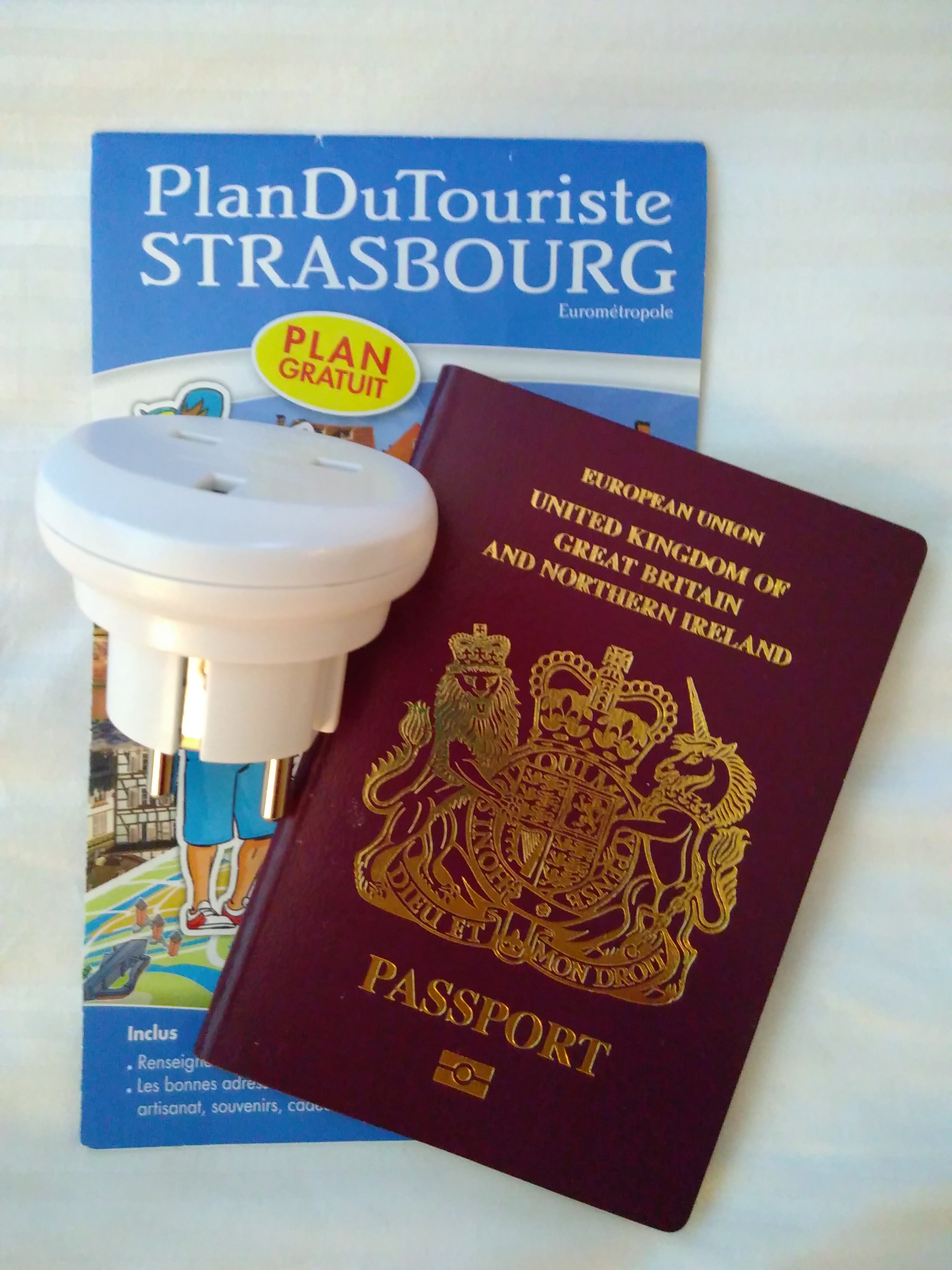 I travel quite a lot these days. It’s rare for a fortnight to go past without me having to pack my case at least once for a domestic or international trip. This week I’ve been in Strasbourg for meetings about the EU research ethics project I’m working on. How lovely, people say; lucky you. And indeed I am lucky, though not in the way you might think.
 I don’t say much on this blog about my client work because most of it is confidential. But I’m delighted to have permission from one of my lovely clients to tell you about a project I’ve been helping them with over the last couple of years.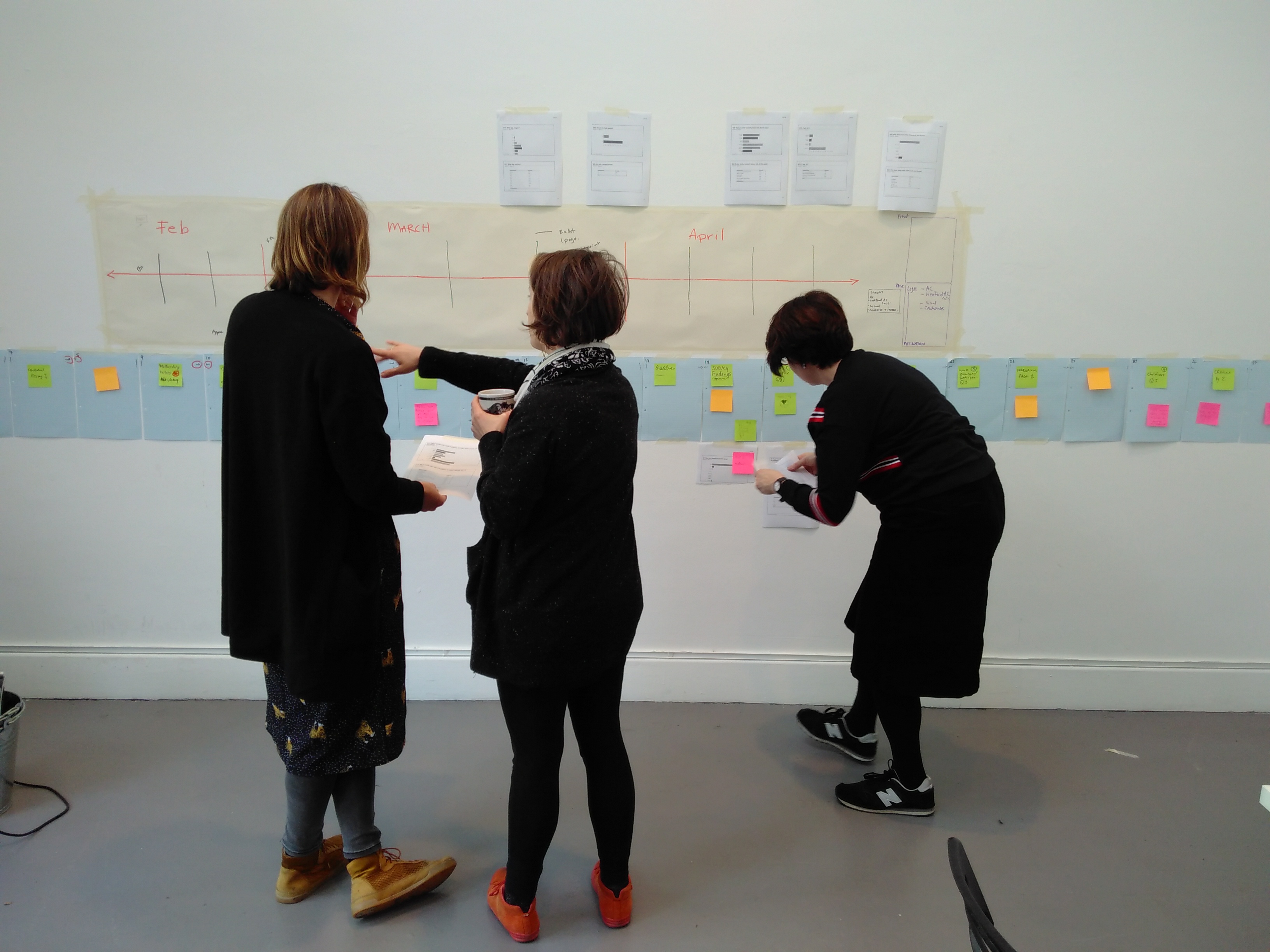
 Sometimes it’s hard to know when to stop. That could be when you’re still having fun and you don’t want to stop even though it’s after midnight and you’ve got to be in work at 9. In my early 20s I could get away with that. In my mid-50s? No chance. The dark sides of not knowing when to stop are dependency and addiction. Then there are the mental ‘ought’s and ‘should’s. I ought to finish reading this book, that I’m not enjoying at all, because the author took so much trouble in its writing. I should keep working on this collaborative piece even though my collaborator hasn’t answered my emails in months.
 Helen Kara